Here at our Melbourne Chiropractic clinic, many of our patients initially come to see us because they have posture problems. In many cases, they know their posture isn’t ideal, but they are not sure where to begin their posture correction therapy: posture braces, corrective exercise, stretches or receiving treatment.
Friendly Atmosphere
Personalised Support
Gentle Chiropractic Techniques
At Adaptive Chiropractic, we help you to improve your posture. We begin with a thorough postural analysis, looking for the exact areas causing your problem. We then create a custom posture correction therapy plan for you to adjust and correct your spine alignment, allowing you to engage muscles that have been overcompensating over the years.
As part of our approach, we will also advise you on how to implement an ongoing management and care plan so you can maintain correct posture at home. With our help and support, you will hopefully be able to maintain a good posture for many years to come.
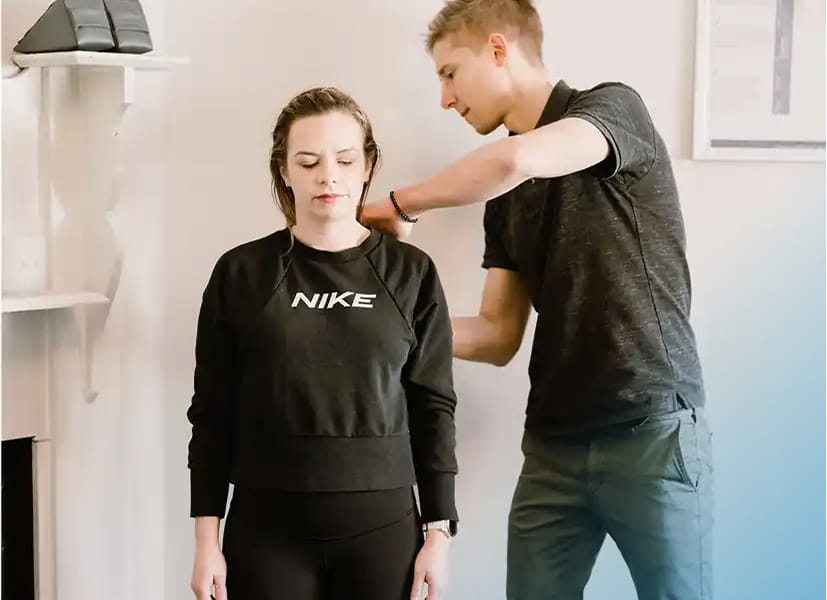

Did you know that poor posture contributes to many back and neck conditions? Consistently bad posture will lead to your joints and soft tissues adapting to the new “normal”, which makes correction more difficult the longer it goes on. The consequences of poor posture include:
Chronic pain
Neck pain and neck related headaches
Lack of mobility and reduced flexibility
Repeated injuries in sport as a result of muscle imbalances or weakness
Stiff joints
Core muscle weakness leading to incontinence
Tight joints or muscles, especially in the chest, shoulder and hip areas
A chiropractor can help with poor posture by assessing, diagnosing, and treating musculoskeletal issues that may be contributing to the posture problem. Here are some ways in which a chiropractor can assist in improving posture:
Chiropractors are trained to evaluate a patient’s posture and identify any deviations from the normal alignment. Our trained practitioners will conduct a postural analysis to assess the position of the head, shoulders, spine, pelvis, and limbs to determine areas of concern.
Chiropractors use manual adjustments and manipulation techniques to correct misalignments or subluxations in the spine. These adjustments can help restore proper spinal alignment, relieve tension in the muscles, and promote better posture.
Chiropractors may recommend exercises and stretches to strengthen and stabilize the muscles that support good posture. Weak or imbalanced muscles can contribute to bad posture, and targeted exercises can help address these issues.
Chiropractors can provide guidance on ergonomics, including proper workplace ergonomics and suggestions for maintaining good posture during daily activities. This advice can be particularly helpful for individuals who spend long hours sitting at a desk or using computers.
Chiropractors may offer lifestyle recommendations, such as improving sleep habits, maintaining a healthy weight, and avoiding activities or habits that exacerbate bad posture.
Education is a key component of chiropractic care. Chiropractors can educate patients about the importance of good posture and provide tips on how to maintain it in various situations.
Poor posture can lead to musculoskeletal pain, such as back, neck, and shoulder pain. Chiropractors can help manage and alleviate these pain symptoms through manual therapies and other techniques.
It’s important to note that the effectiveness of chiropractic care for poor posture may vary from person to person. While some individuals may experience significant improvement in posture and related symptoms, others may require additional interventions or a multidisciplinary approach involving physical therapy, ergonomic changes, and lifestyle modifications.
Your first posture correction treatment will last up to 30 minutes and can be done straight after your initial postural analysis. Most of our patients experience relief from their very first treatment. Our chiropractors’ gentle yet effective alignment techniques are suitable for everyone and anyone – from children, to athletes, seniors and everyone in between.

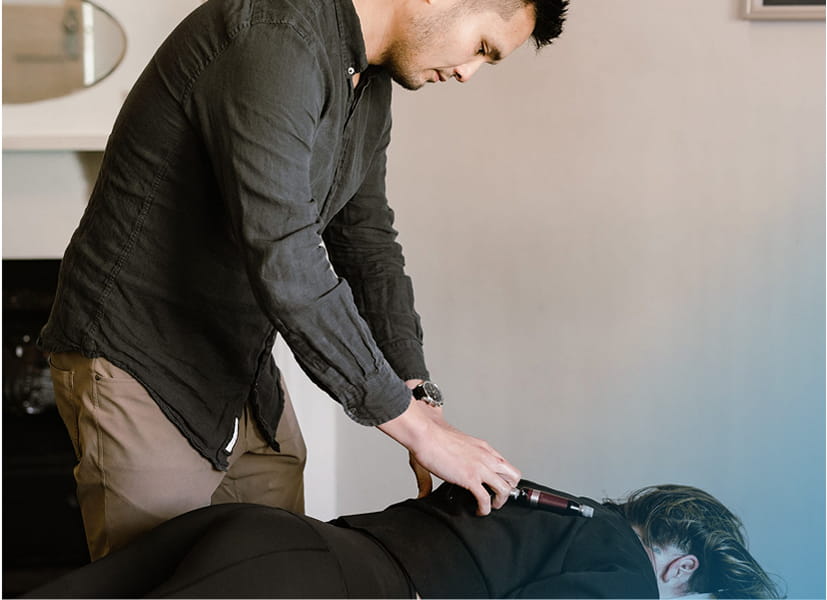
Adaptive Chiropractic is committed to taking a holistic approach to chiropractic care. We use safe yet powerful chiropractic techniques, providing fast and effective pain relief, but also support you in reaching and maintaining optimal health.
Our founder Dr Clarence Ho is passionate about wellbeing and preventative care. He and his team care not just about our patients’ experience, but their education as well and treat a wide range of people for posture correction, along with spine related treatments, back pain, chronic migraines and headaches, pregnancy related pain and depleted energy.
Located on Little Collins Street, right in the heart of the Melbourne’s CBD, Adaptive Chiropractic effectively treats posture problems in a warm and inviting practice. With our convenient location, we are able to treat clients living and working in the Melbourne CBD and inner Melbourne.
Our founder and chiropractors have lived and worked in Melbourne for many years, and are uniquely positioned to understand and serve the health and wellbeing needs of the local community. Contact us for more information, or make an appointment to see our chiropractor today.

Your first visit is designed to understand why you’ve booked, assess your individual presentation and explain the findings clearly before appropriate next steps are discussed.
Your chiropractor will discuss your current concerns, symptoms, health history, previous injuries and factors that may be affecting your day-to-day movement.
Depending on your circumstances, your consultation may include assessment of your movement, posture and relevant orthopaedic or neurological factors.
Your two INSiGHT scans can also be completed as part of your initial assessment.
Your chiropractor will explain the relevant findings from your examination and scans and answer any questions you have.
The scan measurements are considered alongside the clinical assessment rather than being used on their own to diagnose a condition.
We’ll discuss whether chiropractic care may be appropriate and explain the recommended next steps.
If another type of healthcare or further investigation may be more appropriate, this can also be discussed with you.
Allow approximately 45 minutes for your initial consultation.